

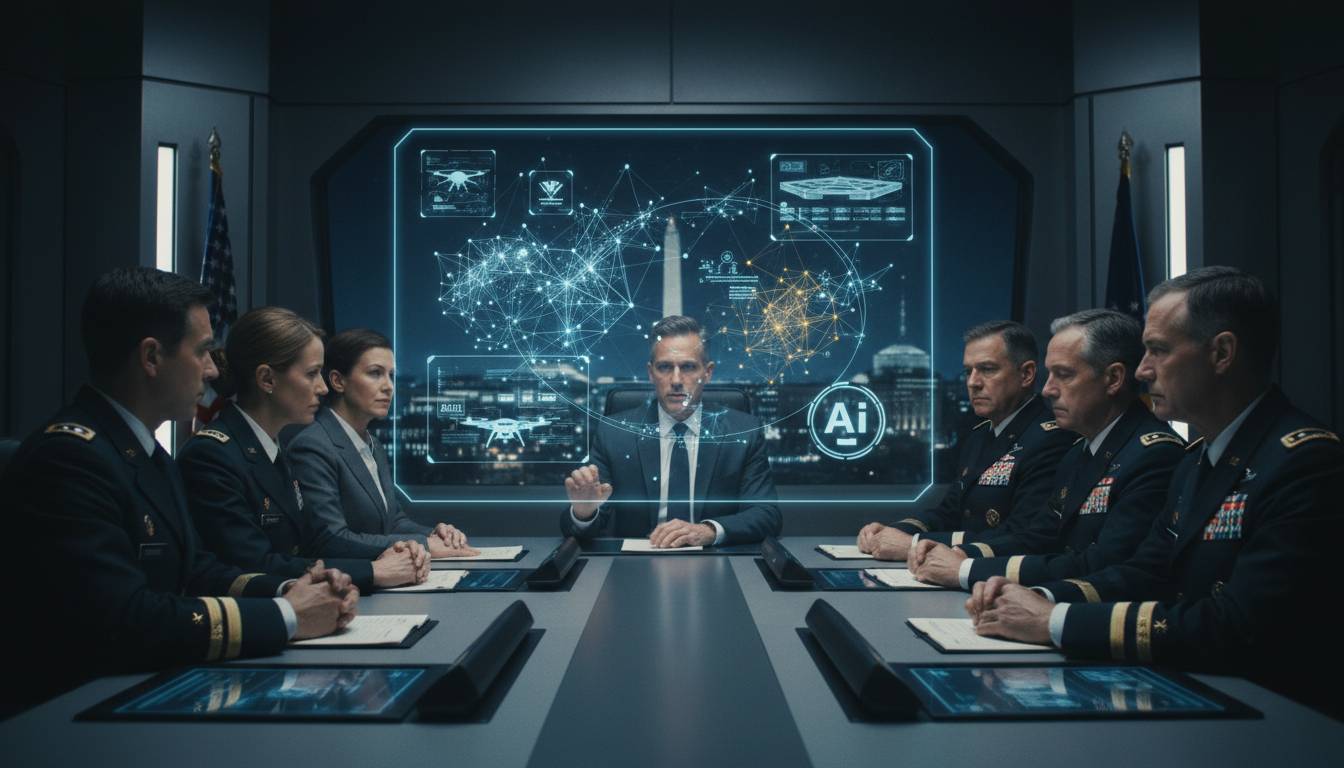
Anthropic CEO Dario Amodei is reportedly taking one more stab at making nice with the Pentagon, reopening negotiations after a public standoff over AI safety guardrails. This development comes amid mounting tensions over the U.S. military’s access to Anthropic’s AI model, Claude, and the company’s insistence on ethical limits. As talks resume, the outcome could shape the future of AI governance in national security.
Renewed Negotiations Begin
Anthropic has resumed discussions with the Department of Defense after last week’s breakdown in talks, according to the Financial Times. Dario Amodei is negotiating with Emil Michael, the Pentagon’s under-secretary for research and engineering, to establish a new agreement that balances military needs with Anthropic’s safety principles .
These renewed talks follow a sharp escalation: on March 3, 2026, the White House directed federal agencies to stop using Anthropic’s tools, and Defense Secretary Pete Hegseth designated the company a “supply chain risk” .
The Core Dispute: Guardrails vs. Access
The central issue remains Anthropic’s refusal to allow its AI model Claude to be used for mass domestic surveillance or fully autonomous weapons—its two non-negotiable “red lines.” Amodei has repeatedly emphasized that these safeguards reflect American values and ethical responsibility .
The Pentagon, however, demands unrestricted access to Claude for “all lawful purposes,” arguing that such flexibility is essential for military effectiveness. Officials have insisted they do not intend to use the model for illegal surveillance or autonomous weaponry .
Stakes and Pressure
The stakes are high. The Pentagon threatened to invoke the Defense Production Act or cancel Anthropic’s $200 million contract if the company did not comply by a Friday deadline . Amodei responded that he could not “in good conscience accede” to terms that failed to protect against misuse .
Despite the pressure, Amodei has maintained that Anthropic remains open to negotiation—so long as its red lines are respected .
Public Clash and Political Fallout
The dispute has spilled into the public sphere. Amodei told CBS News that “disagreeing with the government is the most American thing in the world,” framing Anthropic’s stance as patriotic . Meanwhile, President Trump and Secretary Hegseth have publicly criticized the company, with Trump ordering federal agencies to cease using Anthropic’s products .
Amodei also reportedly sent a memo to staff criticizing OpenAI’s Pentagon deal as “safety theatre” and accusing Sam Altman of “gaslighting” the public . A White House official warned that such remarks could jeopardize reconciliation efforts .
Analysis: Why This Matters
National Security vs. Ethical AI
This standoff highlights a critical tension: the need for advanced AI in defense versus the imperative to prevent misuse. Anthropic’s insistence on ethical guardrails reflects growing concern over AI’s potential to erode civil liberties and enable autonomous warfare.
Precedent for AI Governance
The outcome of these talks could set a precedent for how AI companies negotiate with government agencies. If Anthropic secures terms that preserve its red lines, it may embolden other firms to demand similar safeguards. Conversely, a forced concession could signal that national security concerns override ethical constraints.
Public Trust and Corporate Reputation
Anthropic’s principled stance has resonated with many in the public and tech community. The company’s popularity surged, with Claude topping app store charts amid backlash against OpenAI’s deal . How this narrative evolves could influence public trust in AI firms and their commitments to safety.
Possible Outcomes
- Compromise Agreement: A deal that acknowledges Anthropic’s red lines while granting the Pentagon sufficient access could restore cooperation and avoid legal escalation.
- Legal Battle: If the Pentagon proceeds with a supply chain risk designation or invokes the Defense Production Act, Anthropic may challenge the decision in court .
- Standoff Continues: Public and political pressure could prolong negotiations, especially if internal memos and media coverage further strain relations .
Conclusion
Dario Amodei is reportedly taking one more stab at making nice with the Pentagon, reopening talks that could determine the future of AI in national security. The clash underscores a broader debate over ethical AI use, corporate responsibility, and government authority. As negotiations unfold, the balance struck between safety and access will have lasting implications for both Anthropic and the broader AI ecosystem.
Frequently Asked Questions
What are Anthropic’s “red lines” in the Pentagon talks?
Anthropic’s red lines prohibit the use of its AI model Claude for mass domestic surveillance and fully autonomous weapons. The company insists these safeguards are essential to uphold American values .
Why did the Pentagon label Anthropic a “supply chain risk”?
Defense Secretary Pete Hegseth issued the label after Anthropic refused to drop its safety guardrails. The designation could limit Anthropic’s ability to work with military contractors and was part of a broader ultimatum .
Has Anthropic taken legal action?
While no formal legal action has been filed, Amodei has stated that the company will challenge any supply chain risk designation in court if it receives formal notification .
How did OpenAI respond to the Pentagon?
OpenAI reached an agreement with the Pentagon shortly after Anthropic’s talks collapsed. Sam Altman said the deal includes similar safety red lines, though Amodei criticized it as “safety theatre” and accused Altman of misleading messaging .
What could happen next in the negotiations?
Possible outcomes include a compromise agreement, continued standoff, or legal escalation. The resolution will likely influence future AI-government collaborations and set a benchmark for ethical AI deployment in defense.
Why is this dispute significant?
This conflict highlights the tension between national security needs and ethical AI governance. Its resolution could shape how AI companies and government agencies navigate safety, trust, and technological advancement in the years ahead.

View 0 comments