

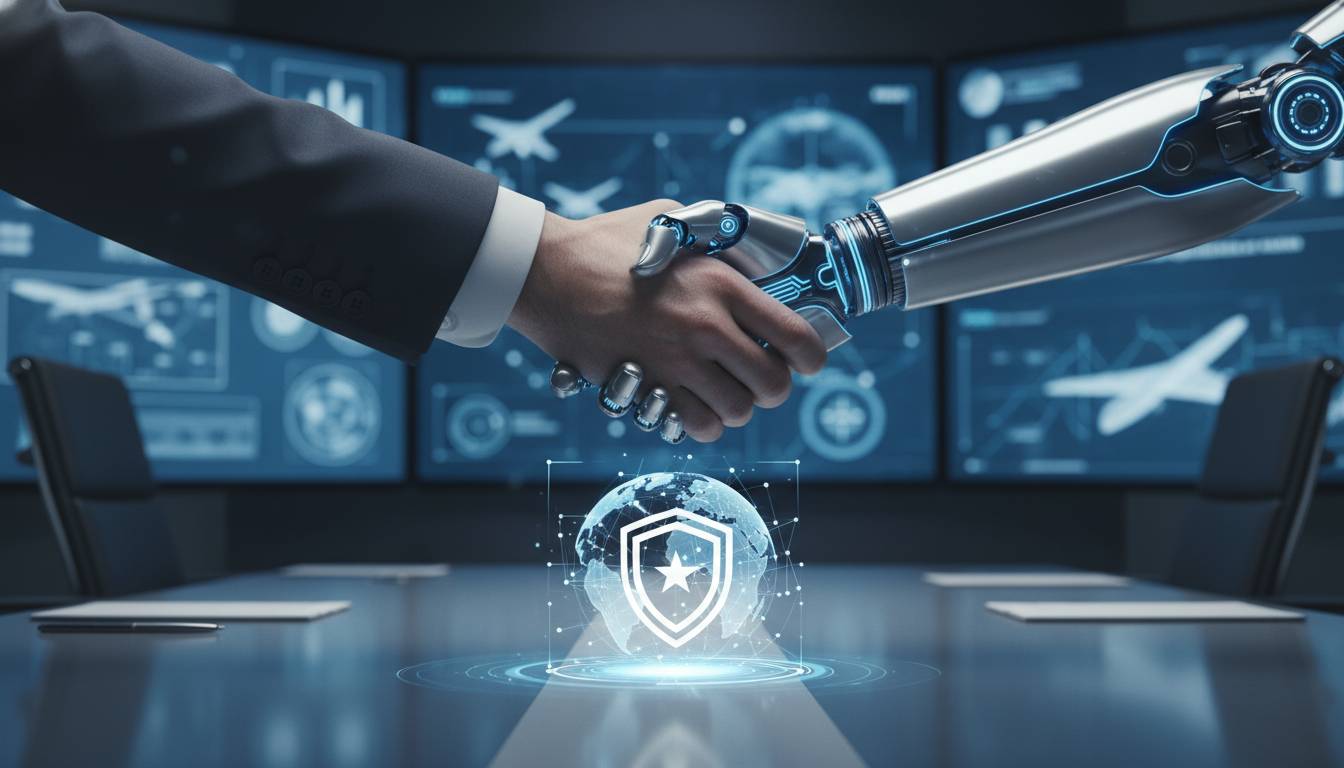
Anthropic CEO Dario Amodei is making one more effort to mend relations with the Pentagon amid a high-stakes standoff over AI safeguards. The dispute centers on the U.S. Department of Defense’s demand for unrestricted use of Anthropic’s Claude model, while Amodei insists on maintaining ethical red lines. As negotiations continue, both sides face mounting pressure to reach a resolution before contracts and reputations are further jeopardized.
A Standoff Over AI Safeguards
In February 2026, the Pentagon demanded that Anthropic allow its Claude AI model to be used for “all lawful purposes,” including in classified military operations. Defense Secretary Pete Hegseth issued an ultimatum: comply by Friday at 5:01 p.m. or risk losing the company’s $200 million contract and being labeled a “supply chain risk” .
Amodei responded firmly, stating that Anthropic “cannot in good conscience accede” to the Pentagon’s demands, citing concerns over mass domestic surveillance and fully autonomous weapons systems . He emphasized that the company’s red lines have been in place from the start and remain non-negotiable .
Escalation and Fallout
The Pentagon swiftly designated Anthropic a “supply chain risk,” a label typically reserved for foreign adversaries, and hinted at invoking the Defense Production Act to compel compliance . Amodei called the designation “retaliatory and punitive,” and pledged to challenge it in court .
Despite the mounting pressure, Amodei reiterated that Anthropic remains committed to supporting U.S. national security—so long as its ethical boundaries are respected . He described the company’s stance as patriotic, asserting that “disagreeing with the government is the most American thing in the world” .
Renewed Effort to De-escalate
As of March 4, 2026, Amodei is making a renewed push to de-escalate tensions. Speaking at the Morgan Stanley Technology, Media and Telecom Conference, he said Anthropic and the Pentagon “have much more in common than we have differences” and expressed hope for an agreement that “works for us and works for them” .
Behind the scenes, company executives have reportedly expressed regret over misunderstandings with Pentagon officials, signaling a willingness to find common ground . However, a leaked memo in which Amodei criticized the Trump administration may complicate reconciliation efforts .
Significance and Stakeholder Impact
This standoff carries significant implications for multiple stakeholders:
- Anthropic risks losing a major government contract and facing reputational damage, but stands firm on its ethical principles.
- The Pentagon seeks AI tools that can be deployed flexibly in defense scenarios, but faces backlash over perceived overreach and disregard for safeguards.
- The broader AI industry watches closely, as the outcome may set precedents for how AI companies negotiate with government agencies.
- Public trust is at stake, with concerns about surveillance and autonomous weapons fueling debate over AI ethics and regulation.
Analysis and Future Outlook
The clash between Anthropic and the Pentagon highlights a broader tension in AI governance: balancing national security needs with ethical constraints. Amodei’s insistence on red lines reflects growing industry concern about unchecked AI deployment. Meanwhile, the Pentagon’s hardline stance underscores the urgency of operational flexibility in defense.
Potential future developments include:
- A compromise agreement that allows limited use of Claude under strict oversight.
- Legal challenges to the supply chain risk designation, which could stall Pentagon action.
- Legislative intervention, as Amodei suggested Congress may need to weigh in on AI safeguards .
- Industry-wide implications, as other AI firms may adopt similar ethical stances or face similar pressures.
Conclusion
Dario Amodei’s renewed effort to “make nice” with the Pentagon underscores a critical moment in the intersection of AI, ethics, and national security. While the stakes are high, both sides appear to recognize the importance of finding a path forward. Whether through compromise or continued resistance, the outcome will shape the future of AI governance in the U.S.
Frequently Asked Questions
What are Anthropic’s “red lines” in the Pentagon negotiations?
Anthropic’s red lines include prohibiting the use of its Claude model for mass domestic surveillance and fully autonomous weapons systems .
What consequences does Anthropic face if it doesn’t comply?
The Pentagon has threatened to cancel Anthropic’s $200 million contract, designate the company a “supply chain risk,” and invoke the Defense Production Act to force compliance .
Has Anthropic completely ended talks with the Pentagon?
No. As of early March 2026, Amodei confirmed that talks are ongoing and that the company is seeking a mutually acceptable agreement .
Why did the Pentagon label Anthropic a “supply chain risk”?
The designation was issued after Anthropic refused to remove its AI safeguards. It is an unprecedented move against a U.S. company and restricts other military contractors from working with Anthropic .
Could Congress intervene in this dispute?
Amodei suggested that Congress may need to step in to establish AI safeguards, as legislative action could provide clearer guidelines than the current ad hoc negotiations .
How does this conflict affect the broader AI industry?
The outcome may set a precedent for how AI companies negotiate with government agencies, especially regarding ethical constraints and national security demands.

View 0 comments