

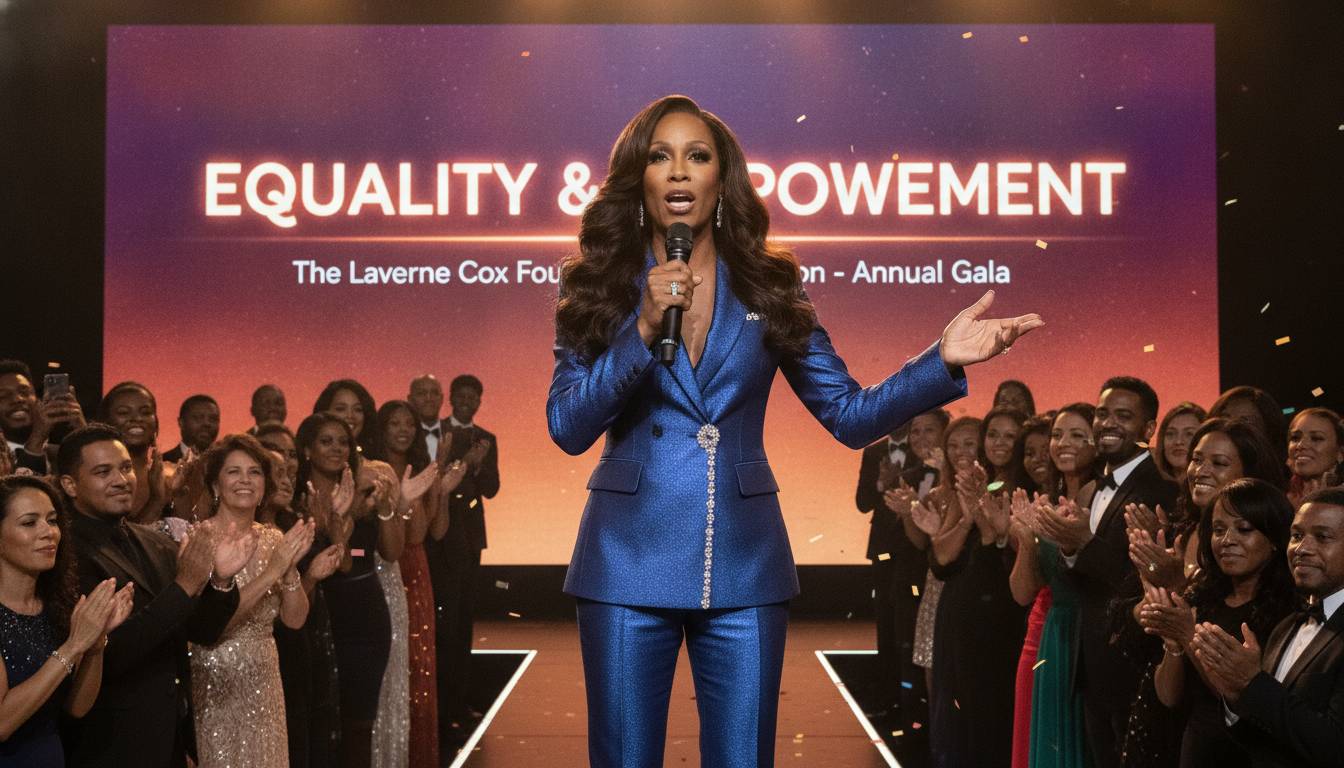
Over the past two years, Laverne Cox’s income dropped by a staggering 90%—and she squarely blames policies under Donald Trump’s administration for this sharp decline. Variety and Out have documented how Cox’s bookings, contracts, and brand deals dried up as new rules targeted trans rights and DEI initiatives. This chilling effect wasn’t just rhetoric; it meant real setbacks in both higher education and entertainment. According to Variety’s report, her story now stands as one of the most striking public examples of how quickly changing policies and political sentiment can reshape individual lives and livelihoods.
Cox was turned down for teaching jobs in higher education—even colleges backed away, fearing that hiring her “could be perceived as promoting trans ideology,”.
This 90% loss in her income, Variety observes, can be traced to contract withdrawals, dropped brand partnerships, and diminishing booking opportunities on stage and screen.
Policy Shifts Target Gender Ideology and DEI
These changes emboldened universities, studios, and employers to feel pressured to eliminate support for gender inclusivity, leaving fewer opportunities for artists and educators whose identities or work intersect with these causes.
Changing Attitudes and Less Room for Expression
Shifting public opinion has made things even tougher for Cox and other transgender public figures. The Independent notes that by 2026, only about four in ten Americans considered changing one’s gender to be morally acceptable, compared with nearly half in 2021.
This steep drop has led many media companies and brands to cut back on trans-centered campaigns, scale down LGBTQ pride initiatives, and become more risk-averse in casting for major projects. As a result, Cox has seen her acting and speaking opportunities dwindle—despite her critical acclaim from “Orange is the New Black,” which debuted on Netflix in 2013.
Industry Fallout: Fewer Opportunities and New Work
After stepping down from red carpet hosting, Cox found it increasingly hard to land mainstream roles or fresh promotional deals.
She did recently appear in Jonah Hill’s Apple comedy “Outcome”—yet offers of that scale are few and far between. This pattern suggests what’s happened to Cox could be the new normal for a generation of LGBTQ actors and advocates. Brand partnerships Cox once counted on have quietly vanished, especially for campaigns referencing pride themes or calls for DEI programming.
Broader Impact Across the LGBTQ Community
Data from Out details that widespread economic losses have hit the LGBTQ community as policy mandates force public institutions to erase DEI, gender, and LGBTQ references from their materials and teaching.
New campaigns and legal restrictions, as Variety reports, mean it’s harder and harder for artists to secure contracts, endorsements, or even teaching gigs if their advocacy or identity could be deemed “political.” Losing 90% of her income, Cox has become a rallying point for those who track how these shifts are affecting people, not just policies.
Memoir and Life Beyond Hollywood
According to The Independent, Cox has written a memoir, “Transcendent: A Memoir,” set to be published by Merky Books in the UK.
Out points to a culture full of “tipping points”—times when who gets hired, heard, or celebrated is redefined. With acting roles harder to come by and the spotlight fading, Cox’s career now mirrors the dramatic reduction in opportunities for LGBTQ advocates everywhere since early 2025.
What the Laverne Cox Case Says About Policy and Culture
Losing 90% of her income since 2024’s election isn’t just about the number—it’s about what it signals. Policy analysts and reporters at Variety and Out alike point to the same trend: as anti-trans talking points and rollbacks ripple through politics and public discourse, working opportunities for people like Cox become vanishingly rare.


View 0 comments