

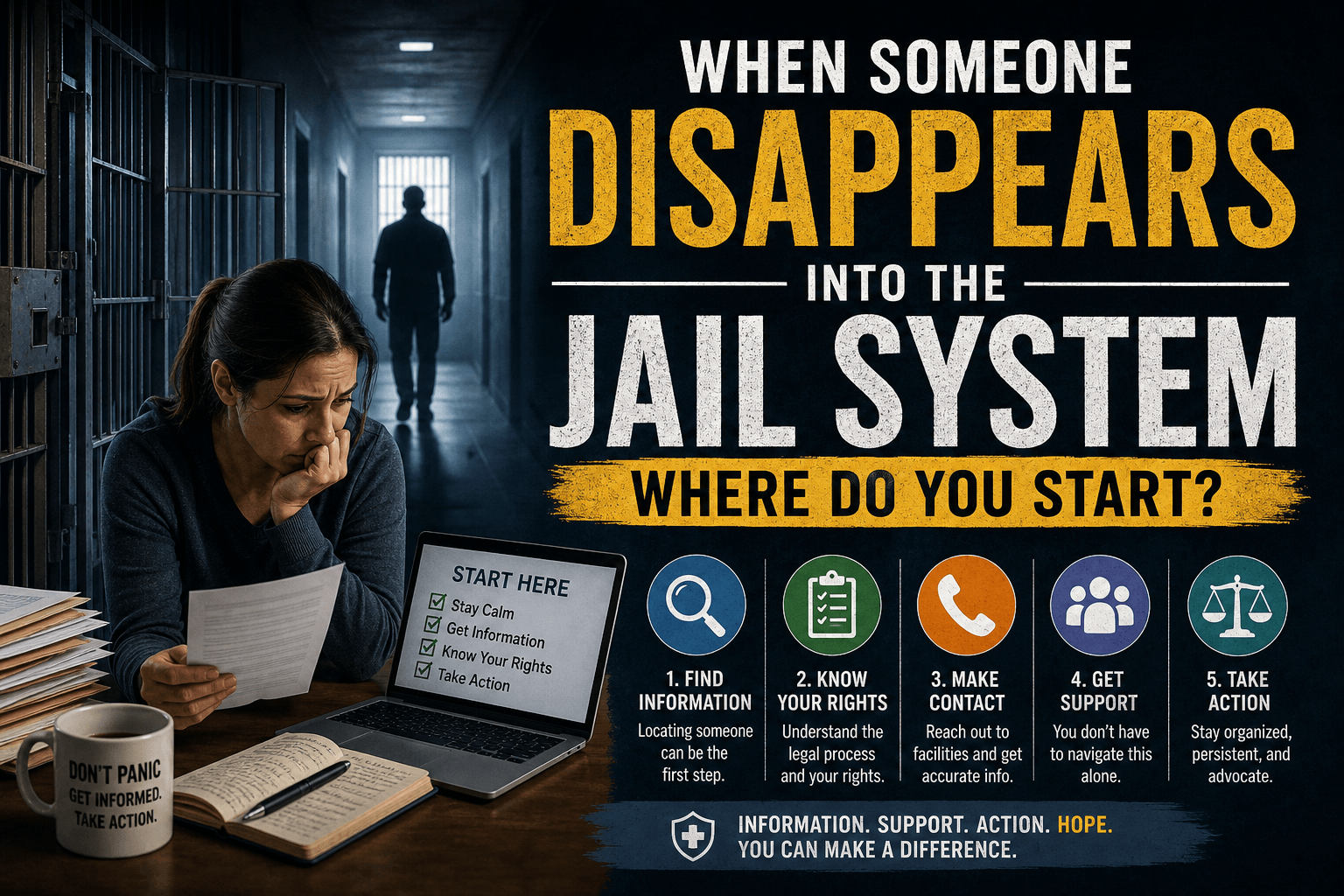
When someone gets arrested, the first few hours can be frustratingly unclear. Family members may know an arrest happened but have no idea where the person was taken, whether booking is finished, or when they’ll be able to make contact.
The confusion gets worse when online searches return nothing. An arrest doesn’t instantly create a public record. Information has to move through booking and jail systems first, and someone may still be getting processed when family members begin looking.
The best place to start is with official San Diego County resources rather than random third-party websites. A San Diego inmate search can help establish where someone is being held and what information is currently available.
Start With the County’s Own Records
The San Diego County Sheriff’s Office provides an official “Who’s In Jail” search for people trying to locate someone in county custody. Starting with the agency responsible for the jail system is more reliable than depending on commercial databases that may contain delayed information.
Accurate identifying details make the search easier. A legal name is the natural starting point, while additional identifying information can help distinguish between people with similar names. Double-check spelling, especially if the first search was made using a nickname or shortened name.
Even official jail information has limits. A custody record can help answer where someone is being held, but it isn’t a complete history of the criminal case. Court records may provide additional information once a case is filed and proceedings begin.
Booking Doesn’t Show Up Instantly
It’s easy to assume an arrest should appear online almost immediately. In practice, there can be a delay between someone being taken into custody and becoming searchable. Jail staff have several processing steps to complete before information is available.
Booking generally involves confirming identity, recording arrest information, fingerprinting, photographing, handling personal property, and completing intake procedures. Classification and housing decisions can add more time. How quickly everything happens depends partly on the circumstances and how busy the facility is.
That delay can be unnerving when someone seems to have disappeared. If the arrest happened recently and the identifying information is correct, an empty search result may simply mean processing isn’t finished. Waiting before checking again can sometimes provide the answer.
One Result Can Answer Several Questions
Finding the person is usually the immediate priority, but a custody record may reveal more than location. Depending on what information is available, it can include the detention facility and booking number, which helps identify the correct person and arrest.
The record may also display listed charges, bail information, court details, or release information. These details can change as the case moves forward, so the page should be treated as a current snapshot rather than a permanent account of what will happen.
That distinction matters with charges in particular. What appears during booking doesn’t necessarily predict the final outcome of a criminal case. Court filings and later records can provide a clearer picture once prosecutors and the court become involved.
If Nothing Appears, Check the Basics
A blank result doesn’t automatically mean the search has failed. Start by checking the person’s legal name and spelling. Small errors can matter, especially when the information came secondhand during the confusion surrounding an arrest.
It’s also possible that another agency has custody. An arrest somewhere in the San Diego area doesn’t necessarily mean the person will immediately appear in the county jail database. The arresting agency can provide an important clue about where to look next.
Timing is another possibility. Someone may still be going through booking when the search begins. If enough time passes without a result, contacting the appropriate agency or facility through official contact information may help clarify where the person is being held.
Conclusion
Trying to find someone after an arrest can feel chaotic because reliable information isn’t always available immediately. Booking takes time, online records can lag behind events, and family members may begin searching before the person has finished processing.
Starting with official county resources makes the process more manageable. Use accurate identifying information, check the result carefully, and remember that a missing record may reflect timing or a different jurisdiction rather than something unusual.
Once the person is located, custody information can provide a starting point for figuring out the facility, booking details, listed charges, bail, release information, or court activity when available. It won’t answer every legal question, but it can turn an uncertain situation into a much clearer one.

View 0 comments