

Introduction
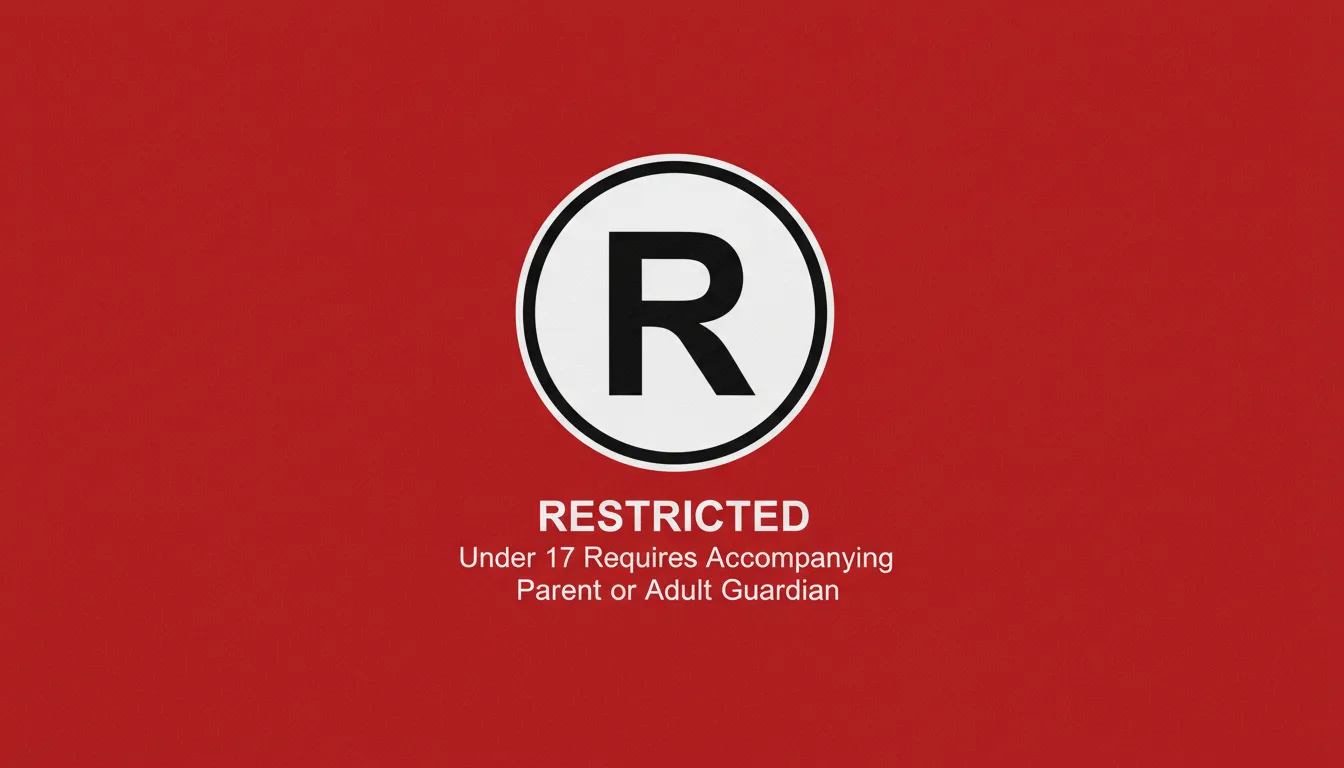
The film Oppenheimer is rated R because it contains explicit sexual content, partial nudity, and strong language—elements that met the Motion Picture Association’s criteria for restricting viewers under 17 without an adult. That’s the bottom‑line answer up front.
Why the Rating Is Clear—and Matter‑of‑Fact
The R classification isn’t surprising once you look more closely. Universal confirmed the R rating ahead of release was due to “some sexuality, nudity, and language” . Common Sense Media spells it out plainly: the film includes sex scenes with partial nudity, profanity like the F‑word, and violent images tied to death and suicide .
Christopher Nolan himself admits he expected the rating—and embraced it—not shying away from aspects of Oppenheimer’s life that demanded authenticity .
A Return to Nolan’s Roots
Fun fact: Oppenheimer is Nolan’s first R‑rated film in over two decades—going back to Insomnia (2002), Memento (2000), and his debut Following (1998) . In the years between, he stays PG‑13—even while telling weighty stories like Inception or The Dark Knight . It seems his desire to present a complete, unfiltered portrait of Oppenheimer made this return to the R‑rating unavoidable.
What Specifically Pushed It Over the Edge
Sexuality & Nudity
A key scene shows Oppenheimer with Jean Tatlock—played by Florence Pugh, who appears partially nude. Critics and guides describe it as “prolonged full nudity” tied to a sex scene, meaning it clearly exceeded any PG‑13 comfort zone .
Language & Mature Themes
Beyond the more obvious elements, the movie includes strong language—f‑words and harsher terms, enough that the MPAA flagged it . Plus there’s a suicide depicted, alcoholism, and shadows of guilt and moral devastation following Oppenheimer.
Tone Beyond Dialogue
Nolan leans into the darkness, saying the story is so intrinsically bleak, he didn’t want to dilute it with safer storytelling . Add in the weight of nuclear annihilation, emotional breakdown, and deeply conflicted character portrayal—it’s dense enough to warrant caution.
“It was something we definitely anticipated… We’re just dealing with a very serious and complex subject. I didn’t want to have to shy away from any aspect of it.” —Christopher Nolan
Real‑World Impact: Global Classification Differences
Internationally, ratings vary—but the rationale stays similar. In the UK, the BBFC gave it a “15” rating for strong language and sex . In Australia, an MA15+ label applied for sex content and suicide content . Meanwhile, in some regions like India or parts of the Middle East, censorship was applied—Florence Pugh’s nudity was digitally clothed to adhere to local sensibilities .
Why It Matters: Authenticity vs Accessibility
Nolan’s goal was singular: truthfully tell the story, even if that meant limiting younger viewership. His three‑hour film needed that emotional, moral, and historical realism, and the R rating allowed it .
Even as a blockbuster—released head‑to‑head with something as sensation‑driven as Barbie—Oppenheimer found wide acclaim and box‑office success, proving that an adult rating doesn’t doom a film commercially .
Conclusion
Oppenheimer is rated R precisely because its subject demands it. The film’s sexual scenes, partial nudity, mature language, and emotionally dark themes leave no room for a lighter classification. Nolan anticipated this and leaned into it, aiming for depth over broad accessibility. In short: he trusted the audience to handle the heavy—but vital—truth.
FAQs
1. Could Oppenheimer have been edited down to a PG‑13 version?
Maybe, but it would have stripped the film of critical emotional and character context. Nolan chose to present Oppenheimer’s story authentically—even if that meant an R rating.
2. How does the R rating affect its box‑office performance?
Despite expectations that R ratings hamper sales, Oppenheimer defied that narrative—becoming one of the highest‑grossing R‑rated films ever .
3. Why did some countries censor parts of Oppenheimer?
Cultural sensitivities varied—particularly regarding nudity or religious content. To reach broader audiences, scenes were modified, such as covering up nudity with CGI clothing in India and the Middle East .
4. Are there other Nolan films rated R?
Yes—his early films Following (1998), Memento (2000), and Insomnia (2002) were rated R. Since then, Oppenheimer is the first to return to that rating in over 20 years .
5. Does the film’s length contribute to the R rating?
Length itself doesn’t dictate rating, but the extended runtime allowed Nolan to explore themes deeply—like sexuality, guilt, and moral conflict—without cutting moments that demanded maturity.
6. Is the R rating consistent across all rating boards?
Not exactly—but similar. The UK’s “15,” Australia’s MA15+, and U.S. R rating all reflect mature themes. Local edits in some regions softened content to meet cultural standards.

View 0 comments