

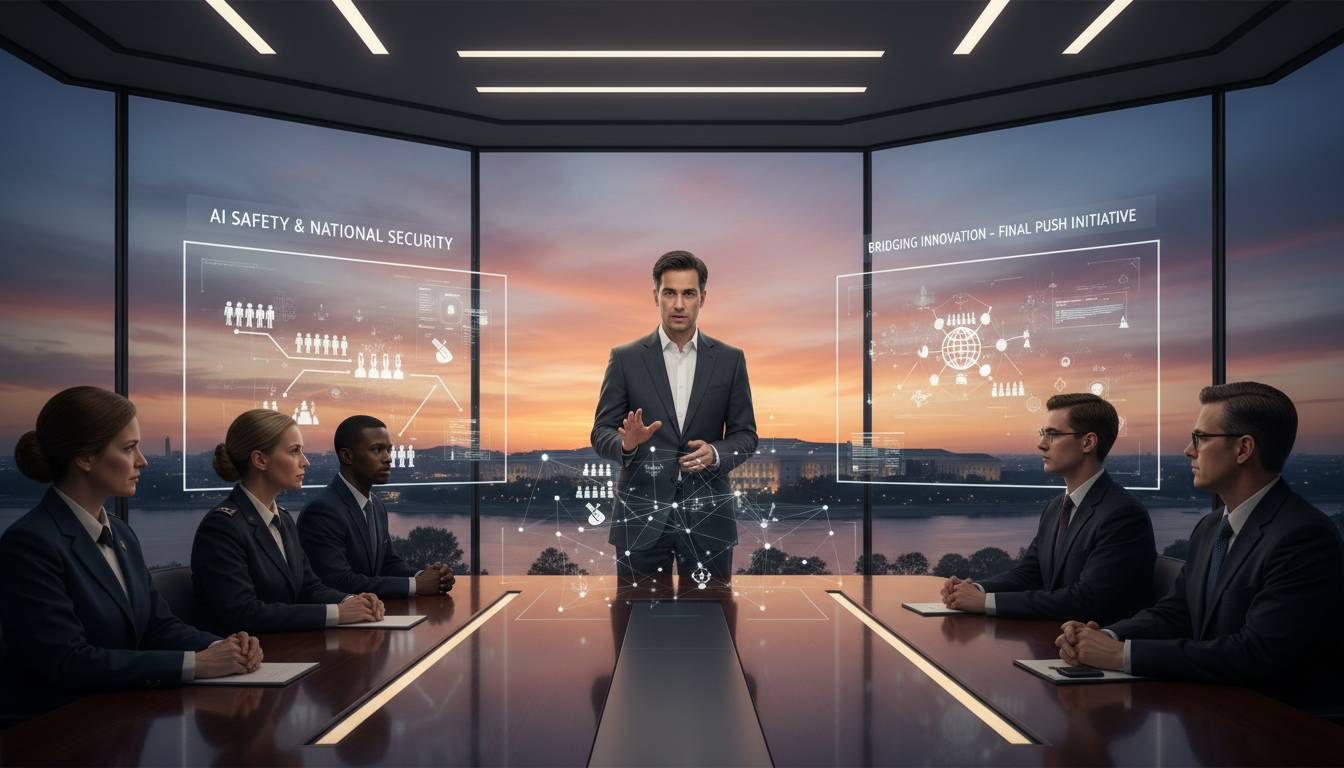
Anthropic CEO Dario Amodei is reportedly taking one more stab at making nice with the Pentagon amid a high-stakes standoff over AI safeguards. As tensions escalate, Amodei signals a willingness to resume talks—though only if the Pentagon respects his company’s ethical “red lines.” This article explores the unfolding developments, their implications for national security and AI ethics, and what lies ahead.
Standoff Over AI Safeguards
In February 2026, Defense Secretary Pete Hegseth summoned Dario Amodei to the Pentagon, demanding that Anthropic remove its safety guardrails and allow unrestricted military use of its Claude AI model. The Pentagon warned that failure to comply by a Friday deadline could result in the cancellation of Anthropic’s $200 million contract, designation as a “supply chain risk,” or even invocation of the Defense Production Act to force compliance .
Amodei responded firmly: Anthropic “cannot in good conscience accede” to demands that would permit Claude’s use in domestic mass surveillance or fully autonomous weapons systems . He emphasized that the company supports nearly all military use cases—98% to 99%—but must draw ethical boundaries .
A Patriotic Stand
Amodei has framed his stance as a defense of American values. In an exclusive CBS News interview, he stated, “Disagreeing with the government is the most American thing in the world,” and reiterated that Anthropic’s actions are motivated by patriotism and a commitment to national security .
He also described the Pentagon’s designation as a “supply chain risk” as unprecedented and punitive, arguing that it targets an American company rather than a foreign adversary . Anthropic has vowed to challenge the designation legally .
OpenAI’s Opportunistic Move
As Anthropic faced mounting pressure, rival OpenAI quickly struck a deal with the Pentagon. OpenAI’s agreement includes explicit prohibitions on domestic mass surveillance and autonomous weapons—guardrails that Anthropic had insisted upon .
Amodei criticized OpenAI’s deal as “safety theater” and accused CEO Sam Altman of “gaslighting” the public around the Pentagon agreement . The timing of OpenAI’s announcement—just hours after Anthropic was blacklisted—has drawn scrutiny and raised questions about competitive dynamics in the AI sector.
Why It Matters
This standoff highlights a critical tension between national security imperatives and ethical AI governance. On one hand, the Pentagon seeks flexibility to deploy AI tools in defense operations. On the other, Anthropic insists that unchecked use could undermine civil liberties and democratic values.
The outcome could set a precedent for how AI companies negotiate with government agencies. If Anthropic prevails, it may reinforce the importance of ethical guardrails in defense contracts. If the Pentagon’s demands prevail, it could signal a shift toward more permissive AI deployment in military contexts.
What’s Next?
Amodei appears open to renewed negotiations—but only if the Pentagon acknowledges Anthropic’s red lines. He told CBS News that if both sides can “see things the same way,” an agreement may still be possible .
Meanwhile, the Pentagon’s designation of Anthropic as a supply chain risk and the looming threat of the Defense Production Act raise the stakes. Anthropic’s legal challenge could delay or overturn the designation, but the company may still lose its military contract .
Conclusion
Dario Amodei is reportedly taking one more stab at making nice with the Pentagon, signaling a willingness to resume talks—but only under terms that align with Anthropic’s ethical standards. The clash underscores the broader debate over AI governance, national security, and corporate responsibility. As the standoff continues, its outcome will likely shape the future of AI deployment in defense and the boundaries of ethical innovation.
Frequently Asked Questions
What are Anthropic’s “red lines”?
Anthropic’s red lines prohibit the use of its Claude AI model for domestic mass surveillance and fully autonomous weapons systems. The company argues these uses are incompatible with democratic values and current legal frameworks .
Why did the Pentagon label Anthropic a “supply chain risk”?
Defense Secretary Pete Hegseth issued the designation after Anthropic refused to remove its safety guardrails. The label, typically reserved for foreign adversaries, restricts other military contractors from using Anthropic’s technology .
How did OpenAI respond to the Pentagon’s demands?
OpenAI quickly struck a deal with the Pentagon that includes explicit safeguards against mass surveillance and autonomous weapons. Amodei criticized the deal as “safety theater” and accused OpenAI’s CEO of misleading the public .
Is Anthropic pursuing legal action?
Yes. Anthropic has vowed to challenge the Pentagon’s supply chain risk designation in court, arguing that the move is punitive and unprecedented .
Could Anthropic still work with the Pentagon?
Possibly. Amodei has expressed willingness to resume negotiations if the Pentagon respects Anthropic’s ethical guardrails. He stated that if both sides can align on principles, an agreement may still be reached .
What are the broader implications of this dispute?
The outcome may set a precedent for how AI companies balance ethical standards with government contracts. It also raises questions about the role of regulation, corporate responsibility, and the limits of AI in defense applications.

View 0 comments