

In a fast-moving city like Hong Kong, milliseconds count. This is even more true when an e-commerce company is measuring competitors, a global brand conducting ad campaigns, or even an individual attempting to engage with regionally locked content.
Ultimately, proxies are an essential tool. However, the pivotal question is whether you are happy to only work with residential proxies or should you switch to datacenter proxies in relation to Hong Kong projects? Let’s find out.
What Are Residential Proxies?
A residential proxy refers to an IP address that is linked to a physical home address in Hong Kong through an Internet Service Provider (ISP). So they’re also considered real users on the internet. Due to the naturalistic behavior of a residential proxy, they are harder to detect and are trusted by many sites.
Moreover, the biggest benefit is legitimacy. Businesses that are trying to avoid being banned, for instance, when managing multiple accounts or verifying ads, can rely on the legitimacy of residential proxies.
However, this legitimacy comes with a price — residential proxies tend to be slower than datacenter proxies, and cost more since there are fewer real IP addresses, but if you need authenticity in risky situations, residential proxies are a safe choice.
What Are Datacenter Proxies?
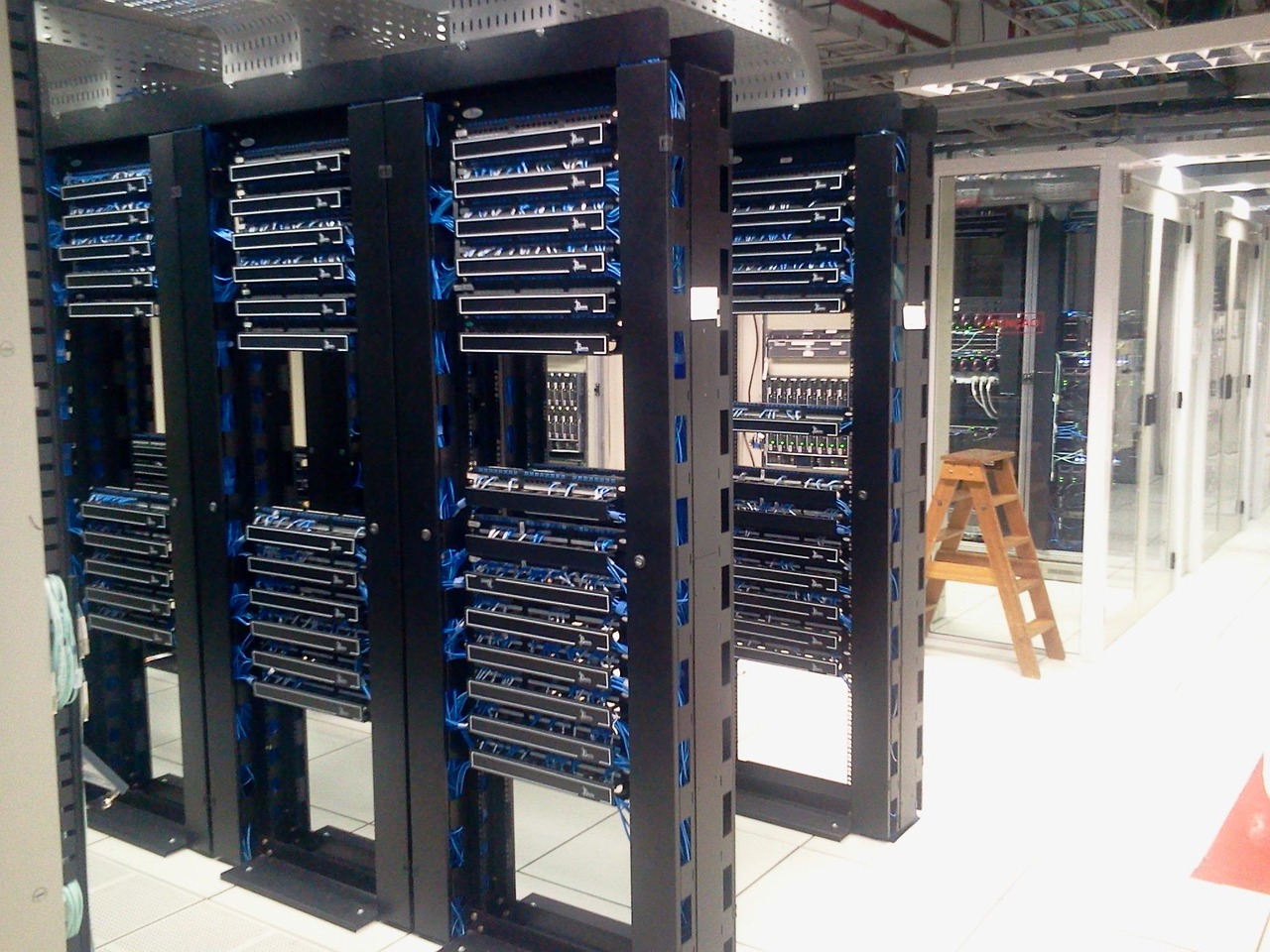
Unlike residential proxies, datacenter proxies are provisioned in bulk via machines that are created within a data center or cloud environment. They are not associated with residential ISPs, but rather reside in a high-performance infrastructure and for the purpose of speed and scale. The advantages of datacenter proxies are evident: they are faster, cheaper, and easily bought in bulk.
Because of this, they are ideal for things like scraping thousands of product listings, conducting large-scale tests, or carrying out some sort of bulk automation. The caveat, however, is that they are more easily flagged. Since these IPs aren’t from actual users, some websites may monitor activity and block interactions more readily.
Why Hong Kong Proxies Are in Demand
For a long time, Hong Kong has been regarded as a digital bridge between the East and West. It is a thriving center for e-commerce, financial services, gaming, and online media services. For companies operating in or targeting this market, it is critical to have accurate data and easy access.
Moreover, proxies play a big role by allowing companies to:
➢ Monitor local search results and track SEO performance for Hong Kong audiences.
➢ Verify ads to make sure campaigns are displayed correctly in the region.
➢ Access geo-restricted platforms and localized content.
➢ Gather competitive intelligence from Hong Kong’s leading e-commerce platforms.
For single users, proxies also help in gaining a smoother stemming, gaming, and browsing experience without facing any localized restrictions or accessing issues. With the demand for digital services in Hong Kong continuously growing, so will the reliance on effective proxy solutions.
Residential vs Datacenter Proxies: Key Differences and When to Choose Each
While both proxy types push your traffic through Hong Kong IPs, their underlying mechanics lead to very different experiences.
➢ Residential proxies are best for stealth. They offer legitimacy, lower detection rates, and reliable access to sensitive or protected websites. Ideal for managing multiple accounts, verifying ads, or accessing platforms with strict security filters.
➢ Datacenter proxies excel in speed and scale. They’re the go-to option for data scraping, testing, and tasks that require thousands of quick requests at an affordable price.
For a lot of businesses, the choice depends on balancing priorities. If you’re working on sensitive campaigns where getting blocked would be costly, residential proxies are the ideal option. However, if your project is about scale and efficiency, datacenter proxies are generally considered the right choice.
Which One Should You Choose?
Although there are no universal answers, the choice does depend on your objectives. If your priorities are stealth, trust, and long-term account management, go with a residential proxy. On the other hand, if cost, speed, and scalability are more critical for your use case, then a datacenter proxy will be the better option.
In a lot of instances, a hybrid method works best. Many businesses use datacenter proxies for less risky bulk tasks and then use residential IPs for high-risk tasks. Some providers even sell bundles to switch between both types of proxies as needed.
What this means is, if you’re searching for a high-speed Hong Kong proxy, it’s worth considering services that combine the speed of datacenter proxies with the authenticity of residential ones. This way, you’re not forced to compromise between performance and reliability.
Final Thoughts
Both residential and datacenter proxies serve valuable purposes, but the right choice depends on context. Hong Kong’s role as a global digital hub means that businesses and individuals alike need tools that balance access, speed, and authenticity. When you have a better understanding of the strengths and limitations of each proxy type, and by carefully testing providers, you can make informed decisions that support your goals without unnecessary risk.

View 0 comments