

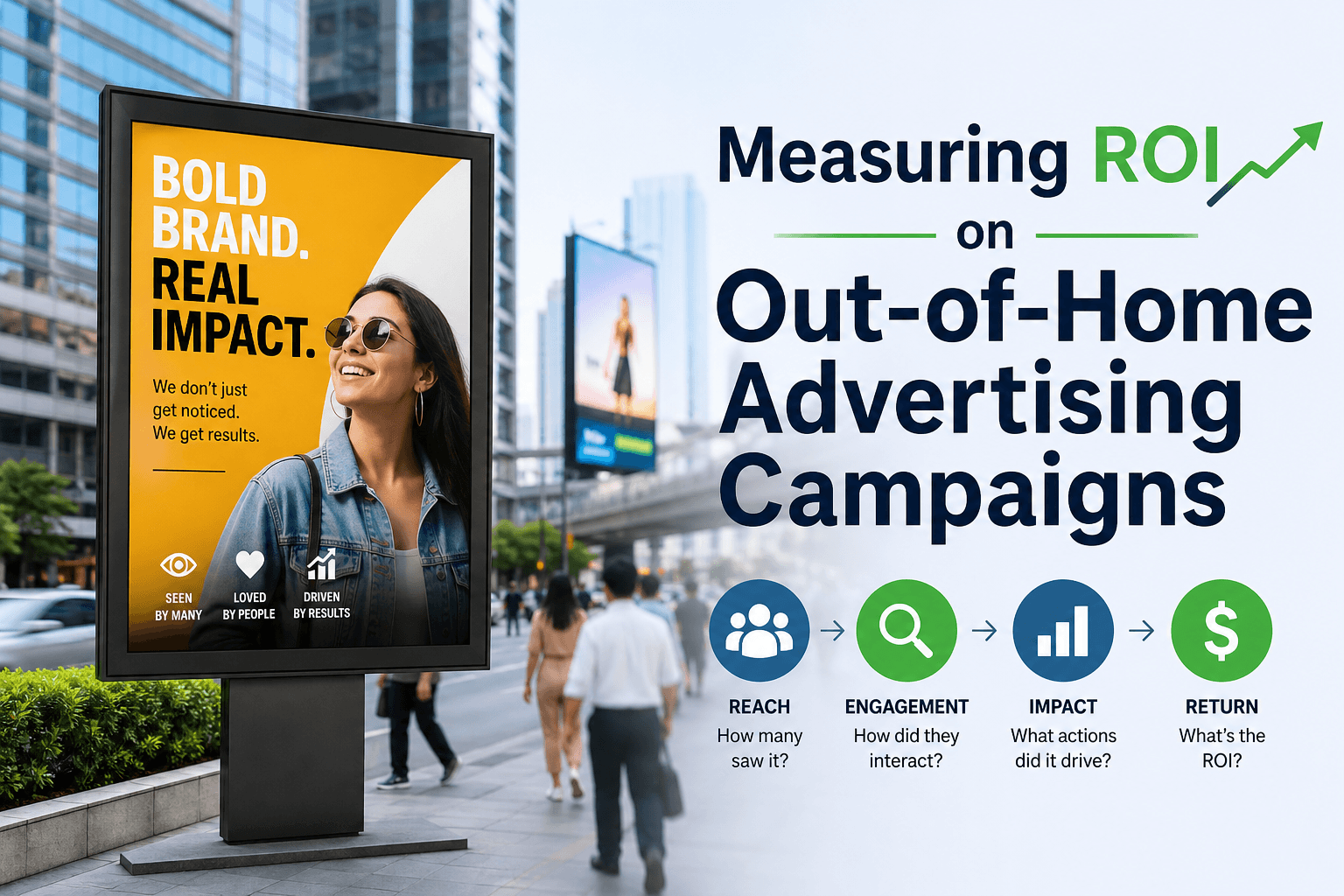
For years, out-of-home advertising carried a reputation as the hardest media channel to measure. A billboard could be seen by thousands of people every day, but proving exactly how many of them noticed it, remembered it, or acted on it felt almost impossible. That reputation is changing quickly. New tools, better data partnerships, and smarter planning have made it possible to measure OOH performance with a level of confidence that used to belong only to digital channels.
Why Measurement Matters More Than Ever
Marketing budgets are under constant scrutiny. Every dollar spent needs to justify itself against other channels competing for the same audience. Out-of-home advertising can no longer rely on brand awareness alone as its selling point. Advertisers want to know what they got in return for their investment, and agencies need real numbers to defend their media plans.
This pressure has pushed the OOH industry to adopt measurement practices borrowed from digital marketing while also developing methods suited to its own unique strengths, such as geographic reach and constant visibility in high traffic locations.
Key Metrics Used to Measure OOH ROI
Before running any campaign, it helps to understand which metrics actually matter. Some of the most common ways advertisers track performance include:
- Impressions, which estimate how many people passed within view of a given board during a set time period
- Foot traffic lift, measured by comparing visits to a physical location before and after a campaign launch
- Website and app traffic spikes that correlate with campaign flight dates
- Search volume increases for brand or product terms in the geographic area covered by the campaign
- Mobile location data that tracks whether people who were near a billboard later visited a related store or venue
None of these metrics tell the full story on their own, but combined they give advertisers a much clearer picture of whether a campaign is working.
Location Data Is Changing the Game
One of the biggest shifts in OOH measurement has come from mobile location data. Anonymized data from smartphones can show how many devices were near a specific billboard during a campaign, and in some cases, whether those same devices later appeared at a retail location, restaurant, or event. This kind of attribution modeling used to be exclusive to online advertising, but it is now a standard offering from many OOH providers and measurement partners.
This data also helps with planning before a campaign even launches. Advertisers can review foot traffic patterns in a neighborhood, understand the demographics of people who pass a certain intersection, and choose locations based on actual audience behavior rather than guesswork.
Combining OOH With Digital Retargeting
A growing number of advertisers are pairing billboard campaigns with digital retargeting. When someone’s device is detected near a billboard, that person can later be served a related ad on their phone, social media feed, or a website they visit. This creates a feedback loop that connects the physical impression with a measurable digital action, such as a click, form submission, or purchase. It also gives brands a way to attach concrete conversion numbers to what was once considered a purely awareness driven channel.
Working With the Right Partner
Measurement is only as good as the data and reporting a provider is willing to share. This is where choosing an experienced shout media advertising company can make a real difference, since providers with strong analytics capabilities can supply impression estimates, audience insights, and campaign performance reports that make it far easier to calculate return on investment. Advertisers should ask potential partners what specific data points are included in their reporting before signing a contract, since not all OOH vendors offer the same level of transparency.
Setting Realistic Expectations
Even with better tools, OOH measurement is not identical to digital advertising. Impressions are still estimates rather than exact counts, and attribution models rely on assumptions about human behavior. Advertisers who set realistic expectations, define clear goals before launching a campaign, and use multiple data sources together will get the most reliable read on performance.
The Bottom Line
Out-of-home advertising is no longer a channel advertisers have to buy on faith. With the right measurement tools and reporting partners, it is possible to track real business outcomes from billboard campaigns, from foot traffic and search activity to digital conversions. As data continues to improve, ROI measurement for OOH will only become more precise, giving brands another reason to include it in their marketing mix.
This guest post was contributed in partnership with Shout Media, helping brands plan, launch, and measure the performance of their out-of-home advertising campaigns.

View 0 comments