

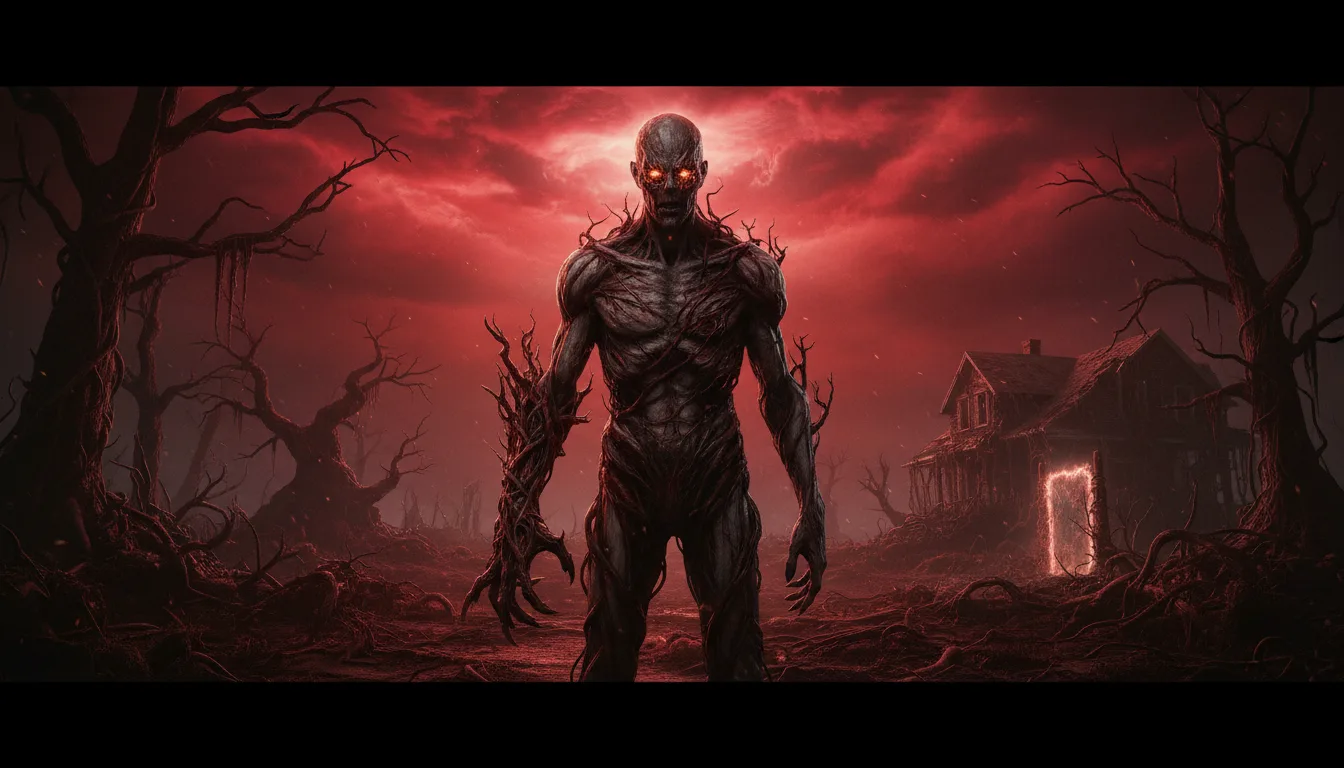
The shadowy menace of Vecna looms large over Stranger Things, grabbing attention not just through his twisted power but through the layered mythology and creative craftsmanship behind him. This section peels back those layers, exploring the blurring of Dungeons & Dragons lore, classic horror horror tropes, and intense practical effects that brought a new villain to life—one who feels both bizarrely familiar and mysteriously original.
D&D Roots and Naming Choices
From the get-go, Vecna is linked to the well-known Dungeons & Dragons villain of the same name—though the creators admitted to bending the timeline a bit. The Duffer Brothers found a concept of a formidable monster they wanted, then turned to D&D to anchor the kids’ recognition. As Matt explained, they essentially cheated history by having Eddie mention Vecna before the character officially existed in the lore, but it felt too perfect to pass up . In that way, the name “Vecna” brought ominous weight and credibility to the threat, much like “Demogorgon” had done earlier .
Horror Icons in the DNA of Vecna
Beyond D&D, Vecna is an homage to a lineage of cinematic nightmares that shaped the imagination of the Duffer Brothers and fans alike. They openly cited Freddy Krueger, Pinhead, Pennywise, and even the eerie resonance of the Night King when conceiving the character’s psychological and visual presence . In an interview, Matt Duffer said they wanted a horror villain who genuinely terrified them as kids—thus Vecna was born out of childhood fear reimagined with depth and menace . One reviewer even described Vecna as forging a new type of villain in the series—a multilayered antagonist with ambition and motive, a step beyond the standard monster .
Conceiving the Look: From Concept to Prosthetic
Visually, Vecna’s unsettling form is a triumph of practical effects—painstakingly sculpted, glazed in eerie sliminess, and textured with tendril-like details to evoke the Upside Down’s organic horror.
- Prosthetic makeup master Barrie Gower collaborated with concept designer Michael Maher Jr. to translate Vecna from artboards to a wearable nightmare. It involved a full-body cast, clay sculpting, and over 25 cast appliance pieces that fit together like a grotesque jigsaw .
- Each shooting day demanded between six to eight hours of application. The prosthetics, combined with contact lenses, dentures, mechanical components, and a gooey, wet-look coating of gel, made the character feel viscerally alive—even as it repelled .
- The look wasn’t random—it drew from molds, marine life, fibrous textures, and that damp, decaying feel of the Upside Down. The finishing gel gave Vecna a slimy, vibrant sheen that was both vibrant and revolting .
Evolving Into a Final-Season Entity
Season 5 brings a different flavor to Vecna’s terrifying visage. While maintaining dramatic physical performance, the makeup team adjusted the balance between prosthetics and digital effects.
- They re-sculpted Vecna’s head and arms to emphasize vine-like veins, burnt textures, and charred flesh—a nod to the fiery finale of Season 4 .
- Fewer physical prosthetics meant less rigid application times, but more digital enhancements—especially across his mutated, vine-entangled body—allowed for fluid movement and a more dynamic on-screen presence .
- Still, prosthetics remained crucial for the head, shoulders, and arm, preserving the tactile authenticity of the performance, supported by a stretchy lycra base to enable aggressive posture .
Actor’s Inspirations: A Mix of Horror and Velvet Calm
Jamie Campbell Bower, the actor embodying Vecna, leaned into a mash‑up of influences that underscore both the horror and the haunting humanity beneath the villain.
- In Season 4, his portrayal drew from The Shining’s unnerving stares, Funny Games’ unsettling posture, and classic gothic figures like Dracula .
- Season 5 pushed that contrast further—Bower tapped into the unsettling politeness of Mr. Rogers (through A Beautiful Day in the Neighborhood), The Shining, Alone, and even The Pied Piper of Hamelin, aiming for a layered character that flickers between warmth and lethal calm .
- He rehearsed the fluidity of Vecna’s transformations carefully, especially for the “Shock Jock” staircase scene, ensuring seamless body continuity across the character’s multiple forms (Mr. Whatsit, Henry Creel, and fully monstrous Vecna) .
Conclusion
Vecna stands out as more than just another monster unleashed—he’s a meticulously crafted figure born of nostalgic horror, imaginative design, and deeply intentional performance. By weaving together Dungeons & Dragons lore, homage to slasher-era villains, top-tier prosthetics, digital artistry, and a psychologically rich actor’s portrayal, Stranger Things delivers a villain who haunts us not simply with fear, but with fascination.
Vecna’s dramatic progression over seasons showcases how modern storytelling can blend tradition and innovation—capturing our deepest, most primal fears while also inviting empathy, dread, and unsettling wonder in equal measure.
FAQs
What inspired the name “Vecna” in Stranger Things?
The Duffer Brothers chose a monster name that carried ominous weight in D&D lore. Although the timeline was adjusted for storytelling, having Eddie reference Vecna early made sense as it felt too ideal a fit .
Which horror characters influenced Vecna’s look and behavior?
Vecna’s design and demeanor draw heavily from A Nightmare on Elm Street’s Freddy Krueger, Hellraiser’s Pinhead, It’s Pennywise, and even visual cues from Game of Thrones’ Night King .
How long did it take each day to transform actor Jamie Campbell Bower into Vecna?
During Season 4, applying Vecna’s prosthetic makeup took six to eight hours daily, including full-body appliances, contacts, dentures, and a slimy finish .
Did Vecna’s design change in Season 5?
Yes. Season 5 reduced the number of prosthetic pieces, leaned more on digital effects for mutated areas, and enhanced vein and vine textures while keeping core prosthetics for performance authenticity .
Where did Jamie Campbell Bower draw acting inspiration for Vecna?
He drew from The Shining, Funny Games, Dracula, and in Season 5, from Mr. Rogers (via A Beautiful Day in the Neighborhood), Alone, and The Pied Piper of Hamelin—particularly to embody the character’s eerie calm and layered menace .

View 0 comments