

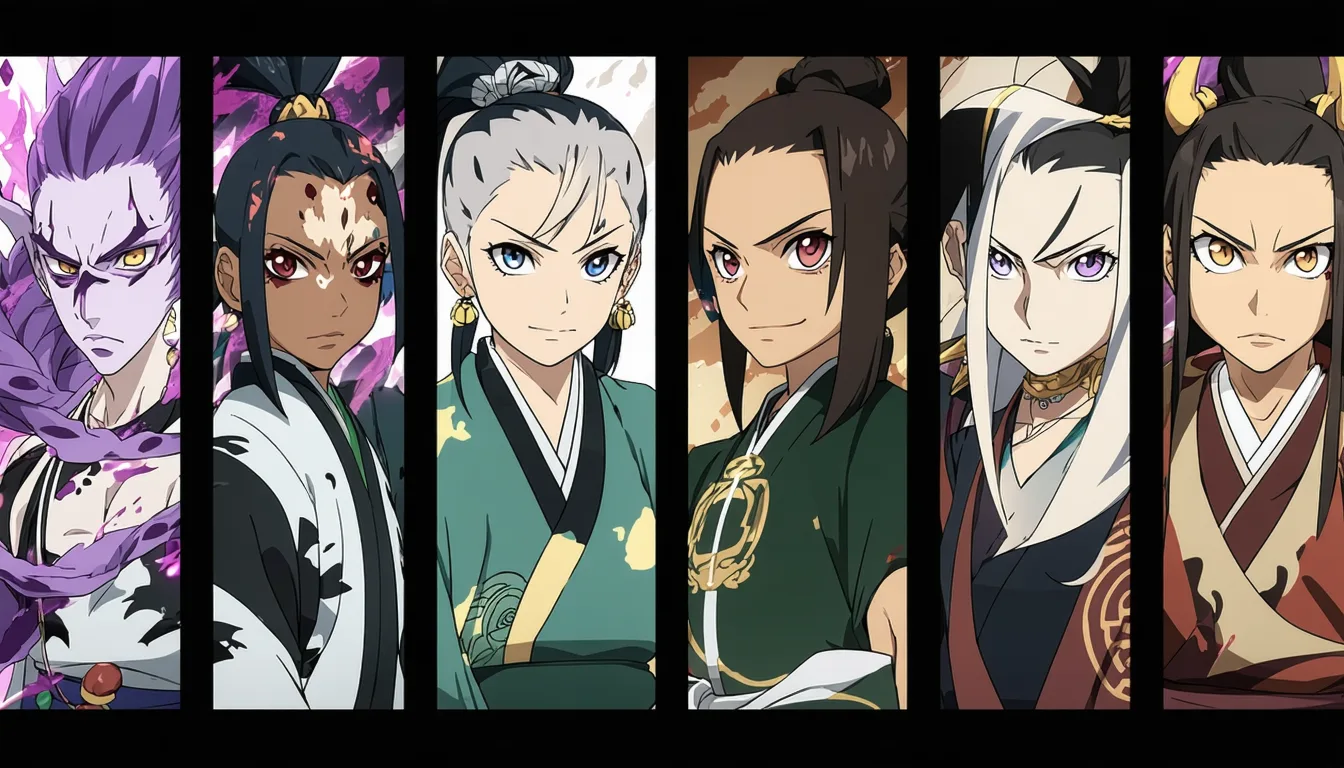
All the Hashiras in Demon Slayer: Complete Pillar List and Powers
The Demon Slayer Corps’ highest-ranking members, known as the Hashiras, have taken center stage in today’s anime and manga conversations. Across the series, each Hashira represents peak human (and in one case semi-demon) martial prowess. Knowing all the Hashiras in Demon Slayer helps fans understand both the story’s stakes and the extreme skills each warrior brings. This article lays out every Hashira, their unique traits, and why their roles now, during the final arc, matter more than ever.
Why This Matters Now
Demon Slayer’s final arc has propelled each Hashira back into fan focus. Spoilers are no longer taboo in many fan spaces, and debates over strengths and outcomes are rampant. With all the Hashiras in Demon Slayer under the spotlight, clarity on their identities and abilities becomes essential for any reader navigating fan theories, debates, or emotional reveals.
Hashira Lineup and Signature Abilities
Water Hashira – Giyu Tomioka
Giyu embodies stoic resolve. Skilled in Water Breathing, he relies on swift, precise strikes. His signature “Water Surface Slash” often decapitates demons in a single blow. Current discussions emphasize his steady role in protecting younger peers, even as emotional trauma threatens to unseat him.
Flame Hashira – Kyojuro Rengoku
Kyojuro’s bright, bold personality reflects his Flame Breathing style. His “Flame Flower” and “Rengoku’s Sword Style” burst with energy. Though his story arc culminates tragically, his presence still resonates. Fans often mention how his spirit fuels his colleagues during the climactic battles against Muzan.
Sound Hashira – Tengen Uzui
Tengen prided himself on shinobi flair and precision. Using Sound Breathing, he attacks with explosive bombs and dual Nichirin cleavers. His flamboyant style conceals grim determination. Readers frequently contrast his showmanship with the quiet resolve of others—especially as the final arc tests every Hashira’s limits.
Love Hashira – Mitsuri Kanroji
Mitsuri blends sweetness with lethal strength. Her Love Breathing features whip‑like sword swings and shocking speed. Fans marvel at her paradox—warm nature hides steel‑hard resolve. Her presence in the final arc shows emotional resilience as well as raw power.
Stone Hashira – Gyomei Himejima
Gyomei towers physically and spiritually. Using Stone‑breathing, his attacks feel earthshaking. Described often as the Corps’ “strongest Hashira,” he also offers spiritual comfort. His calm leadership now anchors the group amid chaos.
Wind Hashira – Sanemi Shinazugawa
Brash and abrasive, Sanemi uses Wind Breathing with razor‑sharp intensity. His fierce storms of slashes cut through foes and barriered defenses alike. Beneath his hostility, he protects silently. Controversy in the fandom sometimes paints him as harsh, yet his effectiveness is rarely questioned.
Mist Hashira – Muichiro Tokito
Muichiro embodies cloud‑like obscurity—stoic, amnesiac, but battle‑ready. Mist Breathing creates illusions and confusing slashes that disorient enemies. His development throughout the final arc—regaining memories and forging bonds—has drawn significant interest in fan discussions.
Insect Hashira – Shinobu Kocho
Shinobu leverages poison instead of brute strength. Her Insect Breathing exploits toxins derived from wisteria. Her petal‑like strikes hide lethal paralysis in its wake. As a Hashira, she remains the Corps’ healer, striking a delicate balance between nurturing and ruthless efficiency.
Serpent Hashira – Obanai Iguro
Obanai slithers into fights with Serpent Breathing, zipping in serpentine arcs. His Nichirin blade coils like a snake. His loyalty to the Corps—and to Shinobu—gives emotional depth beyond his cold exterior. Fans note how his arc weaves duty and affection together.
Spotlight on the Seventh Pillar: Mist Hashira Muichiro
Beyond just reciting names, mist‑shrouded Muichiro stands out in current fan debates. His transformation—from inexperienced teen to ultra‑skilled Murderslayer—is in full focus. Observers point to how his regained memory and bond with Giyu reshapes his fighting style. Some argue he’s the most dynamic character arc amid the Hashiras, others see lingering gaps in emotional expression.
“Muichiro’s revival of memory under pressure shows that even the quietest warrior can hold seismic strength.”
This quote captures how fans reinterpret calm silence as latent power, filled with hidden storm.
Themes and Fan Reaction Today
Right now, the fandom zeroes in on contrasting Hashiras. Some emphasize emotional grounding—Mitsuri’s warmth, Gyomei’s steadiness, Giyu’s quiet grief. Others highlight martial innovation—Tengen’s flashy dual blades, Shinobu’s strategic toxins, Sanemi’s brutal winds. These contrasts matter because they mirror the series’ core: how diverse strengths unite to confront unthinkable evil.
Discussions often focus on whether physical brute strength (Gyomei, Sanemi) or subtlety (Shinobu, Mitsuri) mattered more during key battles. Some argue raw speed and unpredictability (Muichiro, Mitsuri) overcame sheer force. Others maintain that it was emotional resilience that tipped the scales—especially Kyojuro’s memory‑driven sacrifice, still alive in collective memory.
What Fans Watch Next
Looking ahead, audiences track how estas Hashiras shape the “final stand” outcomes. Two dynamics dominate the chatter:
• Will hidden reserves like Muichiro’s regained strength turn the tide?
• Do emotional bonds among Hashiras—friendship, loyalty, memory—matter more than raw power?
These narrative threads suggest fans value depth as much as spectacle. Debates continue: is Gyomei still the “strongest” when others innovate strategically? Does Shinobu’s chemical warfare redefine combat norms?
Summary of Pillars and Strengths
| Hashira | Breathing Style | Key Traits |
|———————-|———————|——————————————–|
| Giyu Tomioka | Water | Steady precision, emotional quietness |
| Kyojuro Rengoku | Flame | Bold energy, passionate resolve |
| Tengen Uzui | Sound | Shinobi flair, explosive offense |
| Mitsuri Kanroji | Love | Speed, warm nature, inner strength |
| Gyomei Himejima | Stone | Extreme strength, spiritual calm |
| Sanemi Shinazugawa | Wind | Fierceness, razor slashes, hidden care |
| Muichiro Tokito | Mist | Illusion, rapid growth, recovering memory |
| Shinobu Kocho | Insect | Poison strategy, healing duality |
| Obanai Iguro | Serpent | Serpentine precision, loyalty‑tension |
Forward Look: What Shapes the Final Arc
All Hashiras now face their ultimate trial. Key shifts to monitor:
- Emotional connectivity: Bonds—especially Kyojuro’s legacy or Muichiro’s recovery—may drive decisions in battle.
- Strategic innovation: Will Shinobu’s toxins or Tengen’s speed redefine approaches?
- Physical endurance: Gyomei’s strength, Sanemi’s ferocity may hold ground, but will brutality outlast finesse?
As the series heads toward resolution, the clash between those who fight with heart and those who fight with sword will shape the ending. The balance between emotional resonance and combat innovation remains the focal point for fans tracking all the Hashiras in Demon Slayer.
All the Hashiras stand unified under a devastating threat. Each responds in a way that reveals core truths about duty, loss, and resilience.







View 0 comments