

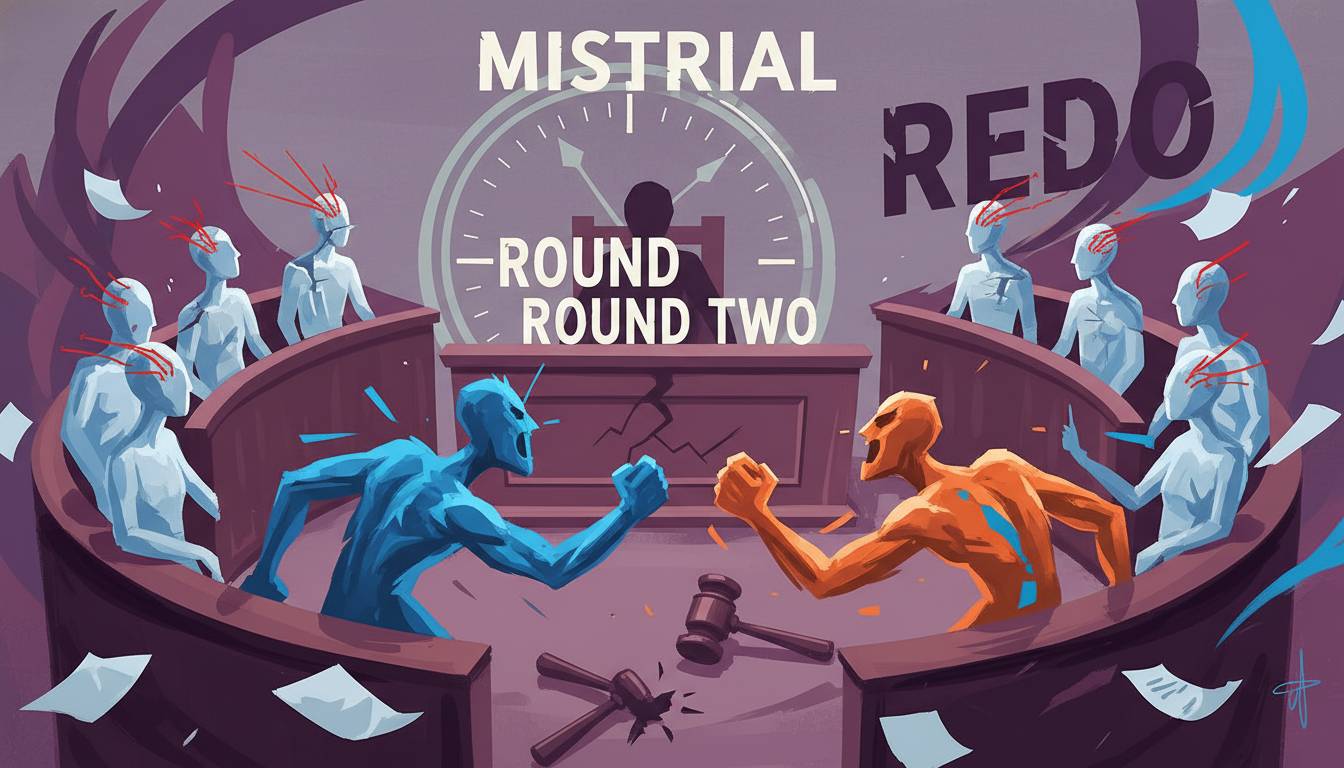
Elon Musk is seeking a do-over in the high-profile Twitter investor trial now unfolding in federal court in San Francisco, arguing that the jury selection process exposed unusually strong hostility toward him. The dispute has added a new layer of drama to a case already centered on whether Musk’s 2022 tweets and public statements about Twitter misled investors and affected the company’s stock price. The mistrial request raises broader questions about fairness, celebrity defendants, and whether intense public opinion can shape the outcome of major securities litigation.
Why Elon Musk Wants a Do-Over on Twitter Trial After Jury Pool Couldn’t Hide Its Disdain
Musk’s legal team has asked the court for a mistrial after jury selection revealed deep skepticism and, in some cases, open animosity among prospective jurors. According to reports from the courtroom, nearly half of the 93-person jury pool was dismissed after indicating they could not be impartial toward Musk. Some potential jurors said they disliked him personally, while others objected to his business conduct, public statements, or broader views about billionaires and social media.
The case itself stems from a class action brought by former Twitter shareholders. They allege Musk violated federal securities laws during the chaotic months between his April 2022 agreement to buy Twitter and the eventual closing of the $44 billion acquisition in October 2022. Central to the lawsuit is Musk’s May 13, 2022 post stating that the Twitter deal was “temporarily on hold” pending details about spam and fake accounts. Plaintiffs argue that statement and related comments were misleading and helped drive down Twitter’s share price.
Musk denies wrongdoing. On the witness stand, he has argued that investors often read too much into his posts and that his concerns about fake accounts were genuine. His defense has maintained that his statements reflected real uncertainty about Twitter’s disclosures and did not amount to securities fraud.
The mistrial motion, filed during the proceedings, argues that the atmosphere surrounding jury selection showed that Musk could not receive a fair hearing from a San Francisco jury. That argument is not entirely new for Musk. In an earlier and separate securities case tied to Tesla, he also sought to move a trial out of California, claiming local bias fueled by media coverage and public sentiment.
The Trial at the Center of the Dispute
The Twitter shareholder case is one of the most closely watched legal battles arising from Musk’s takeover of the platform, now known as X. Investors claim Musk’s public wavering over the deal was not simply negotiation strategy but a deliberate effort to lower the stock price and improve his bargaining position. If the jury agrees, the financial consequences could be significant, both for Musk personally and for future securities cases involving executive social media use.
The trial began on March 2, 2026, in federal court in San Francisco after jury selection on February 20 proved unusually difficult. Nine jurors were ultimately seated after more than five hours of questioning. Bloomberg Law reported that the judge dismissed several people who said they could not separate their views of Musk from the evidence, including one prospective juror who objected to “the existence of billionaires” and another who criticized Musk’s handling of content moderation after taking over Twitter.
That backdrop is central to Musk’s mistrial argument. His lawyers contend that the number of dismissed jurors was not routine and reflected a broader community bias that tainted the process. They also argue that the court and plaintiffs’ lawyers contributed to an environment in which hostility toward Musk became impossible to ignore. While courts often rely on voir dire to screen out biased jurors, Musk’s team says the volume and intensity of anti-Musk sentiment made that safeguard inadequate in this case.
Plaintiffs, by contrast, are expected to argue that the final jury was properly vetted and that strong opinions among some prospective jurors do not automatically invalidate the panel that was ultimately seated. That is a familiar principle in US courts, especially in cases involving famous defendants or polarizing public figures. The legal question is not whether every prospective juror liked Musk, but whether the jurors selected can decide the case based on evidence and instructions from the judge.
What Is at Stake for Musk, Investors, and Corporate America
The case matters well beyond Musk and X. At its core is a question that has become increasingly important in modern markets: when does a CEO’s social media activity cross the line from opinion or negotiation into actionable market manipulation? Musk has long used social platforms to communicate directly with the public, investors, and critics. That style has helped define his public image, but it has also repeatedly drawn legal scrutiny.
For investors, the lawsuit tests whether public posts by a high-profile executive can materially distort trading decisions during a major corporate transaction. Former Twitter shareholders say they sold stock at depressed prices because Musk’s statements undermined confidence that the deal would close on the original terms. If they prevail, the verdict could reinforce the idea that executives face real liability when public messaging moves markets in misleading ways.
For Musk, the stakes are financial, reputational, and strategic. A loss could expose him to damages and create another legal precedent tied to his use of social media. It could also influence how courts, regulators, and boards view executive communications during mergers and acquisitions. A win, however, would strengthen his long-running argument that his posts are often overinterpreted and that markets understand his style.
The case also matters for corporate America more broadly. Boards, general counsel, and securities lawyers are watching closely because the outcome may shape how companies manage executive communications during sensitive transactions. In an era when a single post can move billions of dollars in market value, the legal boundaries around public commentary are becoming more important, not less.
Legal and Public Reaction
The mistrial request has sparked debate over whether Musk is raising a legitimate due process concern or simply making an aggressive litigation move in a difficult case. Supporters of Musk’s position say the jury selection numbers are striking and that a defendant, no matter how famous or unpopular, is entitled to a neutral fact-finder. Critics counter that polarizing figures often face skeptical jurors and that the legal system is designed to identify and remove those who cannot be fair.
According to Bloomberg Law’s courtroom report, the judge ultimately seated nine jurors who said they could put aside personal feelings and decide the case impartially. That point may prove decisive if the court rejects Musk’s mistrial motion. Judges generally give substantial weight to the voir dire process, and mistrials are not granted lightly, especially when a jury has already been selected and testimony is underway.
There is also a practical reality at work. Musk is one of the most recognizable and divisive business figures in the world. Finding a jury with no opinion about him may be nearly impossible in many major US cities. That does not necessarily mean a fair trial cannot occur, but it does make the screening process more consequential and more vulnerable to challenge. This is one reason the dispute is drawing attention beyond the immediate parties.
Key facts in the case
- The trial began on March 2, 2026, in San Francisco federal court.
- The lawsuit concerns Musk’s 2022 conduct during the Twitter acquisition process.
- Twitter agreed to the deal in April 2022, and Musk completed the acquisition in October 2022 for about $44 billion.
- Nine jurors were seated from a pool of 93 after extensive questioning.
- Reports indicate that almost half of prospective jurors were dismissed after expressing bias or strong negative views toward Musk.
- Musk has testified that people read too much into his social media posts.
What Comes Next
The immediate question is whether the judge will grant Musk’s request for a mistrial or allow the case to continue to verdict. If the motion is denied and the jury rules against Musk, the jury-selection dispute could become part of a broader appeal. If the motion is granted, the case would likely have to start over with a new jury, extending a trial that already revisits one of the most turbulent takeover battles in recent corporate history.
Whatever the ruling, the controversy underscores how difficult it has become to separate celebrity, business power, and public opinion in the courtroom. Elon Musk Wants a Do-Over on Twitter Trial After Jury Pool Couldn’t Hide Its Disdain is more than a headline. It captures a legal fight over whether a polarizing public image can undermine the promise of an impartial jury in a case with major financial and regulatory implications.
Conclusion
Musk’s push for a new trial has turned the Twitter shareholder case into a test not only of securities law, but also of the justice system’s ability to handle defendants who arrive in court with powerful public reputations. The underlying lawsuit asks whether Musk misled investors during the 2022 Twitter takeover saga. The mistrial motion asks something different but equally important: whether jurors can fairly judge a figure who inspires unusually strong reactions. The court’s answer could shape both this case and future litigation involving celebrity executives, social media, and market-moving statements.
Frequently Asked Questions
Why is Elon Musk asking for a do-over in the Twitter trial?
Musk’s lawyers argue that the jury pool in San Francisco showed strong hostility toward him, making it difficult to ensure a fair and impartial trial. They have asked the court for a mistrial based on alleged jury bias.
What is the Twitter investor lawsuit about?
The lawsuit was brought by former Twitter shareholders who claim Musk’s 2022 tweets and public comments about the acquisition misled investors and pushed down Twitter’s stock price before the deal closed.
When did the Twitter trial begin?
The trial began on March 2, 2026, in federal court in San Francisco, following jury selection in late February.
How many jurors were selected?
Nine jurors were seated after a lengthy selection process involving a pool of 93 prospective jurors.
What happens if the judge denies the mistrial request?
If the judge denies the motion, the trial continues toward a verdict. Musk could still raise the jury-bias issue later in post-trial motions or on appeal.
Why does this case matter beyond Musk?
The case could influence how courts treat social media posts by powerful executives during mergers, acquisitions, and other market-sensitive events. It may also shape future arguments about jury bias in trials involving highly polarizing public figures.

View 0 comments